
My cousin asked me this at a wedding dinner in Ipoh last month, halfway through his third glass of teh tarik: "Eh, is online gambling legal in Malaysia or not ah?" Fair question. Everyone's uncle has an opinion, half the forums online contradict each other, and the actual law hasn't been touched in decades. So let's actually go through it — what the Common Gaming Houses Act says, what enforcement really looks like, and what you need to check before you deposit a single ringgit anywhere.
I'm not a lawyer. I'm just someone who's played at more platforms than I'd like to admit and had to figure this out the hard way — including one very unpleasant experience with a site that vanished with my withdrawal. So this is written from that angle: practical, not theoretical.
The Actual Law — Common Gaming Houses Act 1953
Malaysia's gambling framework rests on two old pieces of legislation: the Common Gaming Houses Act 1953 and the Betting Act 1953. Both were written before the internet existed, obviously, so neither one mentions "online casino" anywhere in the text. What they DO criminalise is running or operating an unlicensed gaming house — a physical premises where illegal gambling happens.
Here's the part people miss: these laws target operators, not players. A shop owner running an illegal numbers game out of the back room can be charged. A guy playing baccarat on his phone in his own bedroom, using a site licensed in Malta or Curacao? That's a very different legal situation, and one the Act was never written to address.
Sports betting sits under a separate license structure entirely — Sports Toto and a handful of licensed operators hold legitimate permits for that. But there is no equivalent domestic licensing regime for online casino games like baccarat, blackjack, or slots. Which brings us to the actual grey area.
马来西亚网上赌博犯法吗?(Is It Actually Illegal?)
Short answer, in plain terms: 没有明确的法律条文针对个人玩家 — there's no explicit provision targeting individual players who use overseas-licensed platforms. Malaysian authorities have historically focused their resources on shutting down illegal local bookmakers ("ah longs" running numbers, unlicensed physical dens) rather than chasing down individuals playing on their phones.
I've genuinely never come across a documented case — not one — of a Malaysian citizen being charged purely for playing on a licensed offshore casino site. Doesn't mean it's impossible, but it tells you where enforcement priorities actually sit.
That said — and this matters — "not likely to be prosecuted" is not the same thing as "fully protected by law." You're operating in a grey zone. That's exactly why the license of the platform you choose matters so much more than most players realise.
What License Should You Actually Look For?
This is where most of the real risk lives — not with the law, but with the operator. Since Malaysia doesn't issue domestic online casino licenses, every platform serving Malaysian players is licensed somewhere else. The license quality varies enormously.
| Regulator | Reputation | What It Enforces |
|---|---|---|
| Malta Gaming Authority (MGA) | Very high | Fund segregation, RNG audits, dispute resolution |
| Curacao eGaming | Moderate–high (post-2023 reform) | Basic operational compliance, licensing register |
| PAGCOR (Philippines) | High | Anti-money laundering, player protection rules |
| Unlicensed / "offshore shell" | None | Nothing — no recourse if they don't pay |
The last row is the one that matters. I've seen forum threads (Lowyat.NET has a whole subforum full of these) where players deposited into unlicensed sites, won big, and then got stonewalled on withdrawal with some excuse about "verification pending." No license, no regulator to complain to, no recourse. Game over — literally.
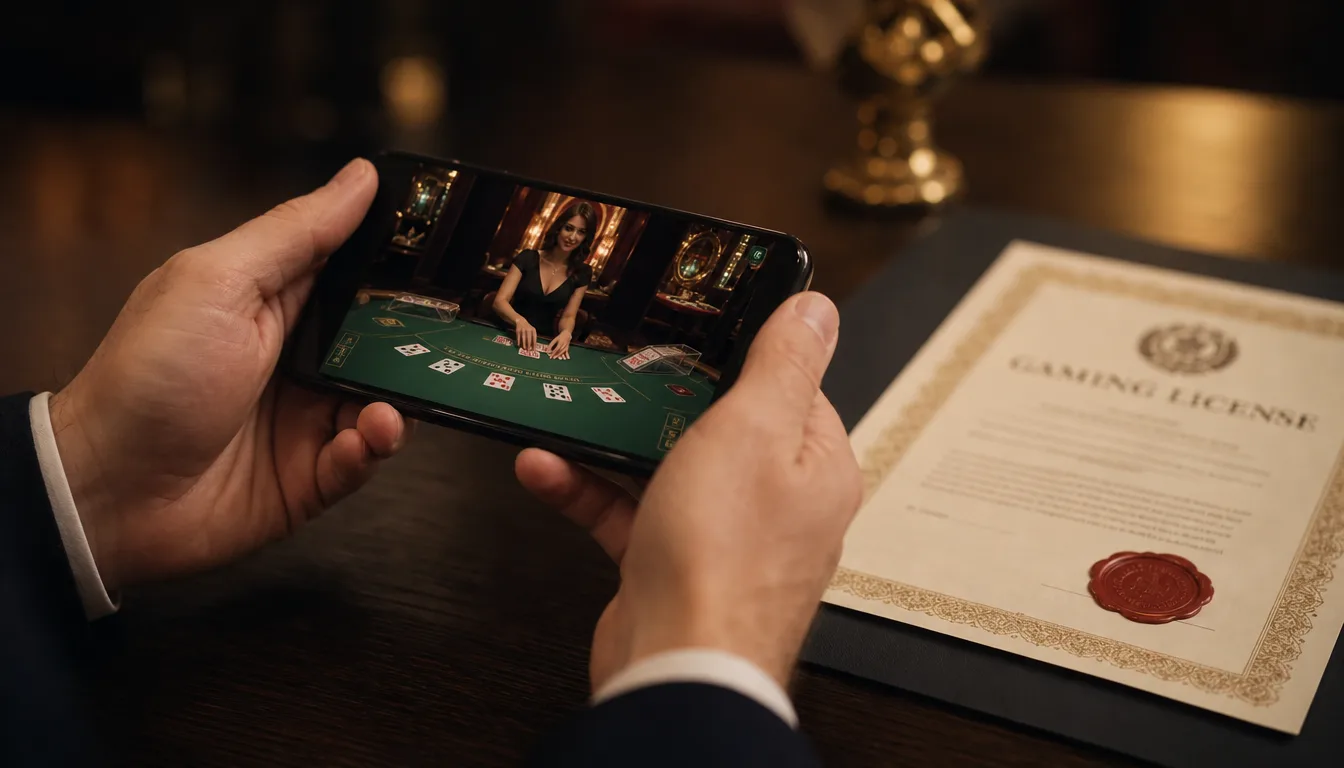
Play Where the License Actually Means Something 🔐
EE9 is transparent about licensing, uses regulated Malaysian payment rails, and has a track record of paying out. Try it risk-free with a welcome bonus.
Register at EE9网上赌博平台 — How to Spot a Trustworthy One
Here's the thing — anyone can slap "licensed" on a homepage footer. Doesn't make it true. A few checks I run before I ever deposit anywhere new:
- License number is clickable — it should link to the actual regulator's public register, not just a static badge image
- Payment methods are local and regulated — FPX, Touch 'n Go, DuitNow, Maybank, CIMB. If a site ONLY takes crypto with no local option, that's a red flag, not a feature
- Withdrawal history has real reviews — search the platform name + "withdrawal" on forums before you commit real money
- Customer support actually responds — test the live chat before you deposit, not after you have a problem
- Games are provably fair — reputable platforms run Evolution Gaming or Pragmatic Play live tables, which are independently audited
Red Flags I've Personally Learned to Avoid
Honestly, I lost about RM800 early on to a site that ticked almost none of the boxes above — no visible license, sketchy e-wallet-only deposits, and support that went silent the moment I asked about a withdrawal delay. Lesson learned the expensive way. Don't repeat my mistake.
Is It Safe to Deposit From Malaysia?
Yes — provided the platform is legitimate. This is honestly the part most Malaysian players overthink. Depositing via FPX or Touch 'n Go into a properly licensed casino carries roughly the same practical risk as any other online purchase. Your bank doesn't know or care that it's a casino transaction (unless the platform is flagged, in which case that's itself a warning sign).
What actually creates risk is: unlicensed platforms, unregulated payment channels (random crypto wallets, unverified agents collecting cash), and giving out banking credentials rather than using proper e-wallet checkout flows. Stick to platforms using DuitNow, FPX, or major bank transfer, and you've already eliminated most of the real danger.
| Payment Method | Risk Level | Speed |
|---|---|---|
| FPX / Online Banking | Low | Instant |
| Touch 'n Go / DuitNow | Low | Under 60 seconds |
| Licensed e-wallet | Low–Moderate | Minutes |
| Unregistered crypto wallet | High | Varies |
| Cash agent / third-party collector | Very high | N/A |
What Happens If a Casino Won't Pay Out?
This is the scenario that should actually worry you more than any police knock on the door — because it's far more common. A licensed operator is contractually bound by its regulator's dispute process. You file a complaint, the regulator investigates, and there's an actual paper trail forcing resolution.
An unlicensed site? There's nobody to complain to. No paper trail, no regulator, no leverage. The RM whatever you deposited is just... gone, and there's no legal mechanism to get it back. This — not any theoretical arrest — is genuinely the single biggest practical risk facing Malaysian online gamblers today.
Why EE9 Handles This Properly
EE9 Online Casino operates with clear licensing disclosure, powers its live casino tables through Evolution Gaming (independently audited, industry-standard RNG and streaming), and settles deposits/withdrawals through regulated Malaysian rails — FPX, Touch 'n Go, DuitNow, Maybank, CIMB.
- Transparent licensing — displayed, not hidden in fine print
- Regulated Malaysian payment methods — no sketchy third-party collectors
- Evolution Gaming live tables — baccarat, roulette, blackjack, all independently audited
- 120% welcome bonus — claim yours here
- Responsive support — test it yourself before depositing, that's the smart move
Gamble Smart, Not Blind 🎯
Legal grey areas exist everywhere in this industry — what actually protects you is choosing a platform with real licensing and a real track record. That's EE9.
Register & Claim Bonus NowLegal Status Across Southeast Asia — Quick Comparison
Malaysia isn't unique in having this grey-zone setup. Here's how it stacks up against neighbours:
| Country | Domestic Online License? | Player Enforcement |
|---|---|---|
| Malaysia | No | Essentially none against individual players |
| Singapore | Limited (2 licensed operators) | Stricter — unlicensed use can be fined |
| Thailand | No | Technically illegal, low individual enforcement |
| Philippines | Yes (PAGCOR) | Domestic framework exists |
Frequently Asked Questions
There is no law in Malaysia that specifically criminalises a Malaysian resident for playing at a foreign-licensed online casino. The Common Gaming Houses Act 1953 and the Betting Act 1953 target unlicensed physical premises and local operators, not individual players using overseas platforms. That said, no Malaysian regulator issues online gambling licenses domestically, so every online casino serving Malaysian players — including EE9 — is licensed offshore.
根据现行法律,马来西亚并没有明确条文针对个人玩家使用海外持牌网上赌场定罪。执法主要针对非法本地庄家和实体赌档,而非普通玩家。不过消费者仍需自行承担风险,建议选择信誉良好、持有认可牌照的平台。
In practice, individual players are almost never prosecuted. Enforcement resources go toward shutting down illegal local bookmakers and unlicensed physical gambling dens. There has been no widely reported case of a Malaysian player being charged purely for playing on an offshore licensed site.
Look for licenses from established regulators such as the Malta Gaming Authority (MGA), Curacao eGaming, or the Philippines' PAGCOR. These bodies enforce fair-game auditing, segregated player funds, and dispute resolution processes. A licensed platform like EE9 will display its license information transparently.
Yes, provided you use a licensed and reputable platform. EE9 supports FPX, Touch 'n Go eWallet, Maybank, CIMB and DuitNow — all regulated Malaysian payment rails. Avoid platforms that only accept crypto or ask for payment through unregistered third parties, as these are common red flags.
This is why license matters. A properly licensed casino is bound by its regulator's dispute resolution process — you can file a complaint with the licensing body if a payout is wrongly withheld. Unlicensed or unregulated sites give you no recourse at all, which is the single biggest risk of playing at an untrustworthy platform.